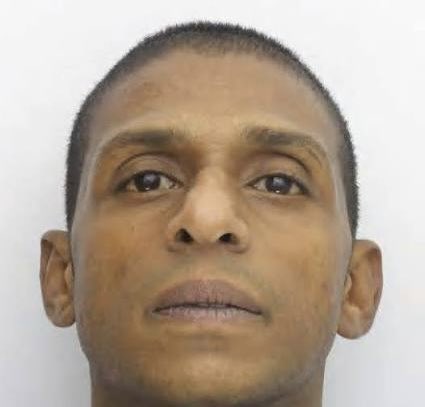
Limpopo Residents Reportedly Scared Following the Release kidnapping kingpin, Faizel Charloos

The decision to grant alleged kidnapping kingpin, Faizel Charloos, bail of R30,000 has sparked renewed scrutiny over how South Africa’s criminal justice system deals with accused organised crime figures.
The latest development comes after a sequence of events that saw Charloos previously lose his bail, a warrant issued for his arrest, and a nationwide manhunt launched after he allegedly absconded from court proceedings,
Charloos had initially been granted bail of between R1 million and R2 million in separate kidnapping-related matters linked to high-profile ransom cases, including the 2022 abduction of a Gauteng businessman.
Authorities have long regarded him as an influential figure in an alleged transnational kidnapping-for-ransom syndicate operating in South Africa.
In April 2025, the Protea Magistrate’s Court revoked his bail after he failed to appear for scheduled proceedings.
Reports at the time indicated that Charloos allegedly fled the court precinct shortly before he was expected to be formally charged in connection with another kidnapping investigation.
The incident triggered a police manhunt, with investigators eventually tracing and rearresting him at a resort near Bela-Bela in Limpopo.
Against that backdrop, the decision to now grant him bail of R30,000 is raising difficult questions about consistency within the justice system and whether enough weight is being placed on concerns around flight risk, witness intimidation, organised crime influence, and public safety.
Some of Charloos’ co-accused confessed to the kidnappings and pleaded guilty and are already serving their sentenced time.
Questions are now being asked on how an accused person who absconded while already out on substantial bail could later secure release on a dramatically reduced amount.
The development has also reignited broader public concern about the handling of kidnapping syndicate cases in South Africa, where ransom-driven abductions targeting businesspeople, foreign nationals, schoolchildren and affluent families have increased significantly in recent years.
Kidnapping operations are often highly sophisticated, financially resourced and capable of moving suspects across provincial and international borders.
It also highlights the growing national concern around kidnapping-for-ransom syndicates, which police and intelligence structures have repeatedly described as one of the fastest-growing organised crime threats facing South Africa.
For many, the central issue is no longer only whether alleged syndicate leaders are arrested, but whether the criminal justice system can keep them behind bars while prosecutions unfold.
In another high-profile case in KZN last year, a suspected trans-national kidnapping suspect had charges against him and suspected members of the syndicate withdrawn. A police officer was among them.